A Designer’s Review: Clipboard Graphics for Real Client Projects
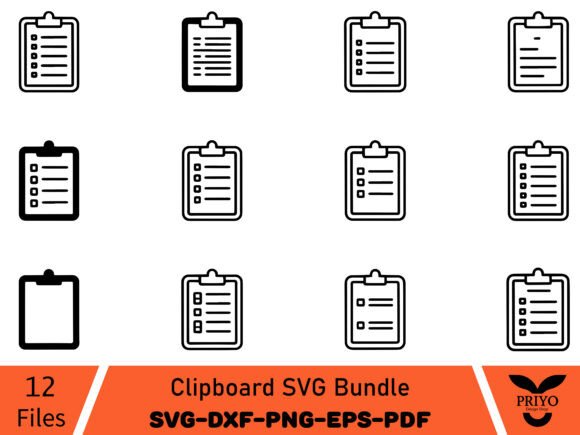
Opening a new design bundle is always a moment of potential. The first impression of this Clipboard SVG bundle is one of structured whimsy. It feels anchored by the classic, recognizable form of a clipboard but carries an air of invitation. The elements suggest a blend of organization and creative welcome—a mood that’s polished yet approachable. This isn’t a raw, gritty aesthetic; it leans toward elegance with a purpose. It naturally fits clients who balance professionalism with personality: a boutique product line, a handmade brand’s seasonal campaign, or an online shop launch that needs to feel both trustworthy and inspiring.
The Visual Style & Where It Fits in a Project
When I imagine applying this graphic design asset to a real project, say, for a local artisan market’s promotional materials, its strengths become clear. The clipboard illustration acts as a visual anchor. It can frame text or become a container for other brand elements. In logo design or brand identity, it could serve as a secondary mark for a stationery or craft-based business, adding a tangible, tactile reference. For product labels and packaging design, especially for items like notebooks, planners, or DIY kits, this asset provides a ready-made decorative accent that speaks directly to the product’s use.
Strong Applications: From Mockups to Social Graphics
This SVG design performs exceptionally well in areas where its form can be appreciated. In large layout areas like posters or flyers, it creates a strong focal point. For hero graphics on a website or in digital ads, it instantly sets a thematic tone of creativity and preparation. It shines in product mockups—placing it on a mockup of a t-shirt design, mug, or tote bag makes the concept feel immediately concrete. As part of a themed collection for a campaign, paired with complementary illustrations, it builds visual coherence. For printable designs like wall art or invitations, its vector nature means crisp output at any scale. In social media graphics, particularly Pinterest pins or Instagram posts announcing a new product or event, it grabs attention with its familiar yet stylized shape.
Considerations for Use & Layout Caution
However, a professional designer must also know where an asset should be applied carefully. The details of this clipboard illustration may get lost at very small sizes, such as in a crowded footer or as a tiny icon. On complex, textured backgrounds, the elegance can be compromised unless contrast is carefully managed. For projects demanding extremely clean visual hierarchy, like some professional corporate materials, it might feel too decorative as a primary element. In minimalist branding, it would need to be simplified or used sparingly as an accent to avoid overpowering the core identity.
Impact on Brand Perception & Audience Engagement
Using this illustration affects a project’s perceived professionalism and emotional appeal. When integrated thoughtfully, it reinforces brand consistency around themes of creativity, planning, and handmade quality. It builds visual trust by using a universally understood object. For audience engagement, especially for audiences like crafters, Cricut users, or small business owners, it creates instant recognition and connection. It elevates a design from generic to specific, making a blog visual, editorial design, or marketing asset feel purposefully crafted.
Practical Designer Checks Before Client Use
Before committing this asset to a client’s commercial design project, I run a series of tests. First, I view it in black and white to ensure the form holds without color dependency. I check contrast on both light and dark backgrounds—essential for web design or packaging with varied color schemes. I preview it at small sizes (for potential sticker design) and large sizes (for posters or printable wall art) to confirm detail integrity. Placing it on real mockups, like a t-shirt or mug template, reveals how it interacts with product shapes.
For print quality, I test a sample output. I review the provided file formats; SVG editability is crucial for resizing and adapting color for brand identity, while PNG transparency, if included, is key for quick social media graphics or Canva templates. I compare it with different font styles: how does it pair with a clean sans serif for a modern design? Does it clash with a delicate script? Often, it complements a straightforward display font beautifully.
Finally, and most critically, I confirm the commercial licensing. Using a graphic for an Etsy product, print-on-demand line, or small business branding requires clear, commercial-use rights. This step is non-negotiable for professional practice.
A Versatile Asset for the Creative Marketplace
In conclusion, this Clipboard SVG bundle is a versatile digital product. It’s more than clipart; it’s a design asset with a defined mood. It supports a design direction aiming for elegant creativity. It can improve the visual polish of a project by providing a ready-made, cohesive element that would take time to craft from scratch. For designers serving clients in the creative marketplace—from bloggers and publishers to digital sellers and brand owners—it represents a practical tool. It speeds up the process of creating sublimation designs, Cricut projects, and marketing visuals while maintaining a level of stylistic cohesion that benefits the final client result. When chosen and applied with the discerning eye of a professional, it moves from being a simple graphic to a supportive pillar in a larger, more polished visual story.