Evaluating a Retro Americana Design Asset for Professional Use
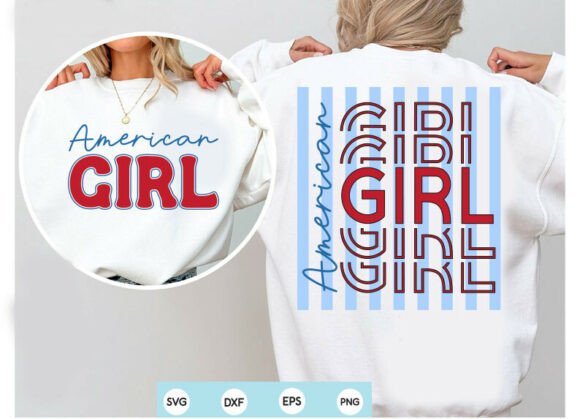
When a client comes to me with a project that needs a nostalgic, handcrafted feel—especially for a seasonal campaign or a boutique product launch—my first task is to scour my assets for something that evokes the right mood. The Retro 4th of July SVG American Girl caught my eye immediately. This isn't a generic clipart; it’s a distinct graphic design asset built with a specific visual personality. My initial impression was one of warm, vintage Americana, reminiscent of mid-century illustrations found on classic product labels or community event posters. It feels hand-touched, not digitally sterile, which is precisely what many small business branding projects crave to stand out in a crowded market.
The Mood It Creates and Where It Naturally Fits
The style is unapologetically retro, leaning into a illustrated, almost storybook charm. This isn't a minimalist vector icon. It carries emotional appeal—a sense of nostalgia, community, and wholesome celebration. For a designer, this tells me it’s a natural fit for clients whose brands are built on authenticity, handmade business ethos, or local heritage. Think of an Etsy shop launching a limited-edition Independence Day product line, a local café planning a seasonal mural or window display, or a community group organizing a festival. The asset provides an immediate visual anchor for that entire creative direction.
Performance in Real-World Design Applications
In practical terms, a graphic like this is a versatile starting point. The included file formats—a scalable SVG and a high-res PNG—mean it’s ready for both digital and physical applications. For t-shirt design and merchandise like mugs or tote bags, the SVG file is crucial for clean cutting and sublimation design. The detail holds up beautifully when enlarged, making it excellent for a hero graphic on a poster or as a central element on product packaging design.
In marketing visuals like social media graphics for Instagram or Pinterest pins, the PNG with its transparent background integrates seamlessly into Canva templates or custom layouts. It can serve as a bold focal point in a digital ad or as a decorative accent on a blog visual announcing a seasonal sale. For printable designs like invitations, stickers, or wall art, the 300 dpi resolution assures professional print quality.
Where This Asset Excels in a Layout
This illustration works best when given space to breathe. Use it in large layout areas where its charming details can be appreciated: on a tote bag mockup, as the centerpiece of a flyer, or dominating a website graphics banner for a limited-time offer. It’s ideal for building out a themed collection of visuals; you could derive smaller accent elements from its style for a cohesive campaign. As a supporting brand element for a already-established rustic or vintage brand identity, it adds a perfect seasonal twist without breaking visual consistency.
Considerations and Areas for Careful Use
However, a professional designer must also judge its limitations. The intricate, illustrated nature means it should be used carefully at very small sizes. On a product label crowded with text or in a footer of a website, the details may become muddy and harm visual hierarchy. It likely wouldn't suit a minimalist branding project or professional corporate materials where clean, geometric icons are preferred. Placing it on a complex background without sufficient contrast could also diminish its impact and readability.
The style, while charming, carries a specific tone. It wouldn’t convey the sleek, modern trust required for a tech startup’s ad, but for a craft brewery’s summer release packaging detail? It would be perfect.
Impact on Professionalism and Audience Engagement
From a client project perspective, using a well-executed, unique asset like the Retro 4th of July SVG American Girl elevates the perceived professionalism. It shows the audience that the brand invested in cohesive, thoughtful creative design, not just slapped together stock elements. This builds visual trust and aids in recognition. The strong emotional appeal directly fuels audience engagement, making social media posts or printable designs feel more personal and connected to the holiday’s sentiment.
Practical Designer Notes Before Client Deployment
Before committing this asset to a real client project, I run through a checklist. First, I test the SVG design in my vector software to confirm its editability if minor color adjustments are needed. I place the PNG design on both light and dark backgrounds in a mockup to check contrast. I preview it at a thumbnail size to ensure critical details remain clear. I always test it in black and white to understand how it functions without its color palette—a must for any asset that might be used in varied print conditions.
I compare it alongside different font styles in a layout. How does it pair with a crisp sans-serif for modern balance? Does it clash with a competing script font? Often, a simple serif font complements this retro style beautifully. Crucially, I confirm the commercial license is clear and permits use for my client’s print-on-demand or retail products. Finally, I run a small test print, even if just on my home printer, to see how the colors and lines translate from screen to physical product mockup.
The Final Judgment for a Real Client Project
So, would I use the Retro 4th of July SVG American Girl for a paying client? If the project brief calls for evoking heartfelt nostalgia, targeting a community-minded audience, or enhancing a handmade or small business brand’s seasonal story—absolutely. It’s a robust digital product that saves hours of illustration time and provides a polished, cohesive starting point. It’s more than a standalone clipart; it’s a mood-setter for an entire design direction.
For a designer working across brand identity, packaging design, and marketing visuals, such assets are the building blocks of efficient, impactful work. This particular file, with its ready-for-Cricut project SVG and web-ready PNG, bridges the gap between digital and physical commercial design seamlessly. It empowers a designer to deliver a final result that feels thoughtfully crafted, which is exactly what clients in the creative marketplace are seeking.