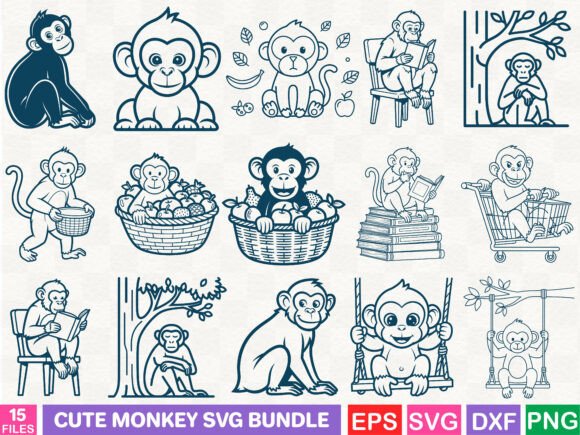
Cute Peacock SVG Bundle: A Designer’s Stitching Perspective
When a new embroidery design lands in my library, I don't just look at it on screen. I immediately imagine it threaded and stitched, sitting on a real product. That’s the lens I’m using today for the Cute Peacock SVG Bundle. This isn't a generic review; it’s a practical walkthrough of how this graphic might translate from a digital file to a tangible, sellable, or giftable finished product.
The First Impression: Whimsy with Professional Potential
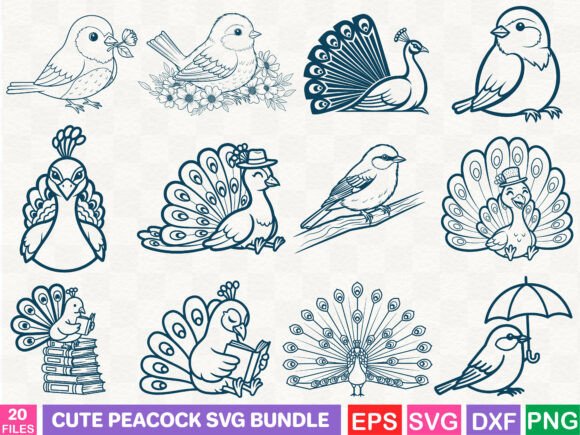
Right away, the "cute" descriptor is accurate. The design has a playful, approachable personality. It’s not a formal, realistic peacock; it’s an illustration built for charm. This mood is a significant advantage. It creates an immediate emotional hook—perfect for gifts, baby items, or boutique products where warmth matters more than grandeur. The shapes are likely clean and defined, which is excellent news for embroidery. A cluttered, overly detailed illustration can become a muddy stitch-out. A graphic with clear forms and intentional linework, however, translates beautifully into satin stitches and fill areas.
Where This Peacock Naturally Belongs
My mind goes straight to soft applications. A beautifully embroidered peacock on a baby’s blanket or a nursery pillow cover would be stunning. The cute factor aligns perfectly with that market. But it’s also versatile. I’m picturing it on a linen apron for a creative cook, or as a central motif on a cotton tote bag for a small shop. The theme isn’t seasonal, so it works for everyday merchandise. For a client wanting a unique, personalized gift—say, a wedding gift for a couple who loves birds or a birthday sweatshirt—this design provides a special, handmade feel without being overly generic.
Performance in Real Embroidery Scenarios
Let’s get practical. I’m considering a real project: a custom embroidered sweatshirt for a small business’s autumn market. Using the Cute Peacock SVG Bundle as a large chest design. Here’s what I’d think through.
The first step is always testing on scrap fabric of the same type. Even with a clean SVG, the stitch density needs to be right for a knit fabric like sweatshirt material. Too dense, and it stiffens the garment; too sparse, and it loses visual impact. I’d check the design’s detail level in the tail feathers and smaller facial features. Are they distinct enough to survive the conversion to an embroidery file without blurring into each other? On a textured fabric, fine details can get lost, so a graphic with bold, clear separations is ideal.
For a tote bag or tea towel (more stable, non-stretch fabrics), the design would likely perform even better. The stability of the fabric allows for sharper stitch definition. I’d also consider it for an embroidered patch. Patches are fantastic sellers for craft businesses and Etsy shops. A cute peacock patch could be applied to backpacks, jeans, or hats. The design’s illustrative nature makes it a recognizable, stand-alone piece of art.
Where Caution is Advised
No design is universally perfect. For this peacock bundle, I’d be careful on very small hoop sizes. If the design is scaled down too much for a cap or a baby bib, those charming details might compress into a confusing lump. Embroidering on dark fabric requires thoughtful thread color choices—the provided graphic needs to have color layers that allow for easy substitution of high-contrast threads for visibility. Also, on curved surfaces like caps, the overall layout of the design matters. A sprawling, wide design might not fit the curve gracefully. Always check the design’s dimensions and aspect ratio against your product template.
Products that need frequent washing, like kitchen towels or everyday apparel, demand robust stitching. I’d look at the potential stitch paths in the design. Are there extremely tiny, single-run stitches that might wear out faster? A graphic with solid, slightly broader forms tends to yield more durable embroidery.
Impact on Product Value and Customer Perception
From a business angle, this matters. Using a design like this isn't just about decoration; it’s about communication. A well-executed, cute peacock embroidery on a product elevates it. It tells a customer or gift recipient that thought was put into the item. It moves a plain tote bag from "utility" to "special." For a small shop, consistency is key. If your brand is playful and nature-inspired, this graphic could become a recurring element across products, building a cohesive look.
The handmade presentation is enhanced when the design itself has character. A generic, clip-art style file can make even skilled embroidery feel cheap. An illustration with a distinct personality, like this peacock, makes the final product feel intentionally crafted. This boosts giftability and buyer engagement in listings. In your Etsy photos or printable mockups, a strong, appealing central design grabs attention faster than a bland one.
Essential Designer Notes Before You Stitch
- Always test on scrap. Match the fabric type and color. See how the details translate.
- Check thread contrast. Run mental or digital mockups on both light and dark backgrounds. Plan your color palette.
- Review for stitch density. Before loading the final embroidery file, ensure the density is appropriate for your fabric—less dense for stretchy knits, more for stable canvases.
- Inspect small details. Zoom in. Are there minute elements that might not stitch well or require special threading?
- Use proper stabilizer. The right stabilizer is as important as the design. It ensures clean stitches, especially on tricky fabrics.
- Confirm licensing. The product description mentions versatility for many tasks. However, always verify the specific license for this Cute Peacock SVG Bundle. Is it for personal use only, or does it include commercial use for selling your finished embroidered products? This is a critical step for any craft business, Etsy seller, or commercial embroidery service. Don’t assume.
Ultimately, the Cute Peacock SVG Bundle presents itself as a graphic with strong illustrative charm. From my designer’s viewpoint, that charm is its biggest asset for real-world projects. It invites stitching onto products meant to convey kindness, creativity, and personal touch. Whether you’re embroidering a pillow cover for a friend, a batch of tea towels for a market, or a custom sweatshirt for a client, this design has the visual personality to carry the weight of that intention. Just remember: the digital file is the starting point. Your skill, testing, and product choice will bring this cute peacock to life in thread.