A Practical Review of Vintage 1986 SVG for T-Shirt Designs and Graphics
Let’s imagine you’re preparing a new seasonal collection for your online shop. You’ve sourced a few promising digital assets, and the Vintage 1986 SVG is sitting in your downloads folder. Before you list it or create products around it, it’s worth taking a closer, business-minded look. Here’s my evaluation from the perspective of someone who sells digital and physical products online.
First Impressions and Niche Appeal
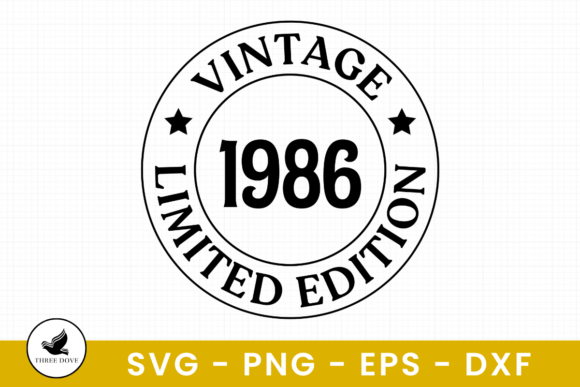
The first thing you notice about Vintage 1986 SVG is its inherent nostalgic mood. This isn’t a generic birthday graphic; it’s a specific year design, which immediately narrows and deepens its appeal. It feels playful, celebratory, and inherently retro. The visual personality targets a very clear audience: those celebrating a 40th birthday in 2026, or anyone with a fond connection to the year 1986. This is a classic example of a niche design asset—it won’t appeal to everyone, but for its target buyer, it’s perfect. This specificity can actually be a strength in crowded marketplaces like Etsy, where buyers often search for exactly this kind of personalized item.
Testing Across Real Product Applications
Before you publish any listing, the smart approach is to test the design across several potential product formats. This asset includes a single ZIP file with an SVG for cutting machines and a high-resolution transparent PNG. That’s a solid, straightforward package for a commercial design.
I’d start by applying it to the most obvious product: t-shirt graphics. Load the SVG into your design software and place it on a t-shirt mockup. Does the scale feel right? Is the detail clear when imagined on fabric? Next, move to other merchandise: mug designs, tote bag prints, and perhaps a tumbler wrap. The PNG file, being 300 DPI and transparent, is ideal for these sublimation designs and printable products. Then, explore less obvious but potentially lucrative avenues. Could this design work as a focal point in printable wall art for a birthday party? Could it be integrated into a digital greeting card or invitation template? Testing it as a decorative element in a Canva template for social media graphics is also a wise move.
Product Presentation and Thumbnail Appeal
How this asset helps your product presentation is crucial. On platforms like Etsy or Creative Fabrica, your thumbnail is your first sales pitch. When you create mockup previews using Vintage 1986 SVG—a t-shirt, a mug, a framed print—you’re building visual storytelling. You show the customer exactly how they can use the file, which builds trust and increases perceived value. A collection of coordinated mockups (a t-shirt, a card, a sticker) can form a compelling product bundle, suggesting versatility and encouraging a higher-value purchase. Consistent use of the design across your listing images strengthens brand consistency for your shop, even if you’re selling across different niches.
Where This Graphic Design Asset Works Best
Based on its style, Vintage 1986 SVG excels in certain applications. It’s ideal for large product previews where the year is clearly visible. It fits perfectly into themed bundles—think a “40th Birthday Celebration” digital download pack including this graphic alongside complementary fonts or patterns. It works well as a dominant, decorative element on printable products like posters or party decor. For merchandise graphics, it’s a strong, single-focus design suitable for apparel and drinkware. It can also be an effective, eye-catching element in social media promos for your digital download shop or in creative marketplace listings themselves.
Considerations and Areas for Careful Use
There are also scenarios where you should use this asset carefully. The detail, depending on the specific design, might not reduce well for tiny sticker details or overly complex layouts. For physical products, avoid using it in low-resolution print applications—always leverage the high-res PNG. In marketplace thumbnails, avoid crowding it with too much other text or imagery; let it stand out. Test how it looks on both white and dark backgrounds to ensure contrast remains strong. If you’re creating text-heavy templates around it, ensure the graphic doesn’t overpower the readability. Finally, for Cricut or Silhouette projects, always inspect the SVG cut quality in your software beforehand; clean, non-intersecting lines are essential for smooth cutting.
Practical Seller Notes Before You List
Here’s a quick checklist I follow before committing a design asset to my shop:
- Mockup Test: Apply the PNG to at least three different product mockups (e.g., t-shirt, mug, digital card).
- Thumbnail Simulation: See how a mockup image looks at a small, thumbnail size.
- Background Check: Preview the design on a light and a dark background to ensure versatility.
- Color Test: If printing, test how the colors might output on different materials.
- File Verification: Confirm the PNG transparency is clean and the SVG opens without errors in common software.
- Organization: Plan how you’ll organize and label the files for your customers clearly.
- Font Pairing: Experiment pairing the graphic with different font styles—a bold sans-serif for a modern look, a playful script for a festive feel—to create complete, sellable designs.
- License Confirmation: Always double-check the commercial license of the original asset to ensure your finished products can be sold legally.
Supporting a Professional Product Collection
Ultimately, an asset like Vintage 1986 SVG isn’t just a file; it’s a component in your larger commercial toolkit. When used thoughtfully, it helps you build a more professional-looking online collection. It allows you to offer a cohesive product range—from SVG designs for crafters to PNG designs for print-on-demand sellers. It enhances your shop’s visual hierarchy by providing a strong, focal graphic for your listings. For small business branding, especially in niches like celebratory merchandise or handmade businesses, such specific, well-executed design assets are the foundation. They save you time, provide a quality baseline, and let you focus on packaging, marketing, and customer service.
The key is to move beyond seeing it as a simple clipart. View it as a versatile commercial design element. Test it rigorously, understand its strengths and limits, and integrate it into products that serve a clear, nostalgic, celebratory need. That’s how a digital product creator transforms a downloaded file into a sellable, valuable part of their online business.